

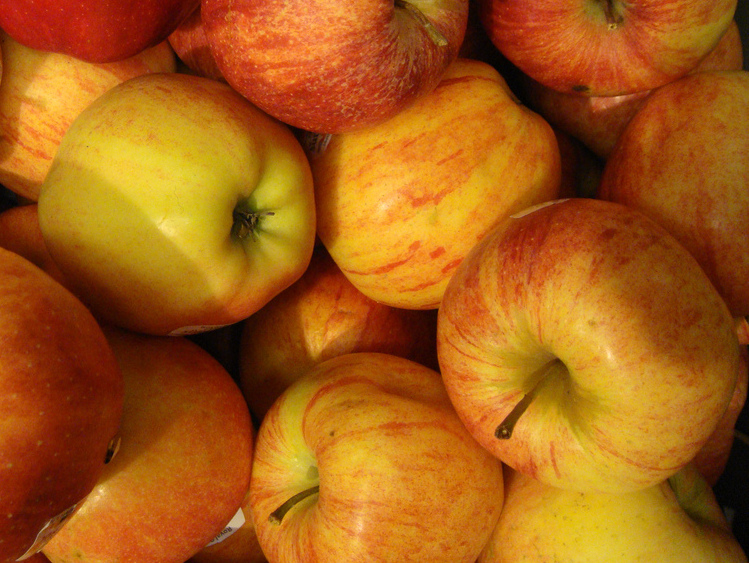

The Food and Drug Administration is cutting back on the level of arsenic that is allowed in apple juice, one of the most popular fruit drinks among American children, due to long-term carcinogenic effects from the poison.
The acceptable amount has been lowered to 10 parts per billion of arsenic, the same level allowed in drinking water. The previous limit, set in 2008, was 23 parts per million.
Arsenic exists naturally in soil, dirt, ground and surface water, but when mixed with elements other than carbon, such as pesticides, it becomes inorganic, according to the U.S. Environmental Protection Agency. The FDA says organic arsenic can be digested without harm, while inorganic levels consumed over a long period or at high amounts may pose a cancer risk.
The FDA says it has monitored the level of arsenic in apple juice for the past 20 years and consistently found that most samples contained low levels of arsenic. However, new studies and tools have allowed the agency to gain a better understanding of the amount of inorganic arsenic in the juice.
According to the American Academy of Pediatrics, children under the age of 12 consume about 30 percent of all juice drink products in the nation, with apple the second-most popular after orange juice.
Although there is little evidence of toxic effects of arsenic showing up in American children, a recent FDA analysis states there is evidence from epidemiological studies that increased rates of cancer in populations with higher exposures to arsenic involved exposure that began during childhood.
Ingested arsenic can lead to higher incidence of bladder, liver, kidney and prostate cancer, the EPA said.
For apple juice, only 17 percent of the beverage sold in the U.S. is produced domestically. According to the Juice Products Association, the remaining juice is mostly imported from Chile, Brazil, Argentina and China.
Consumers Union, publisher of Consumer Reports, advocated a limit of 3 parts per billion. In a report, the organization showed juice brands with highest amount of arsenic content included Mott’s, Wal-Mart’s Great Value and Gerber. Ten percent of samples exceeded 10 parts per billion of arsenic.
When the issue was addressed in 2011 by “The Dr. Oz Show,” which had done its own testing of the products, Mott’s and Gerber both issued statements.
Mott’s said the media response to the presence of arsenic in apple juice had been “irresponsible” and “needlessly alarmed consumers.” The company said the FDA still found their products safe. Gerber fired back, stating that tests by the FDA, as well as other laboratories, found their products safe and that Gerber’s “paramount concern is raising happy, healthy babies.”